



Custom SaaS Development
We architect and build custom SaaS platforms that scale from first user to millions. From multi-tenant backends and real-time dashboards to subscription billing and cloud infrastructure — every layer is engineered for long-term growth.
Why This Is Harder Than It Looks
Building a SaaS product sounds straightforward until you are six months in with a codebase that cannot handle its own success. Most SaaS projects fail not because the idea is bad, but because the architecture was never designed for what comes after launch.
You start with a monolith because it ships fast. Then your first enterprise customer needs tenant isolation, and suddenly your database schema is fighting you. Your real-time features work for ten users but collapse under a thousand. Your billing integration was bolted on as an afterthought, and now every edge case — failed payments, plan downgrades, prorated refunds — becomes a week-long fire drill.
The hidden complexity in SaaS is not the features your users see. It is the infrastructure beneath them: connection pooling that handles concurrent load, background job queues that process without blocking the UI, webhook systems that retry gracefully, audit logs that satisfy enterprise compliance. These are the systems that separate a prototype from a product.
Most development teams build the visible layer first and defer the hard problems. By the time those problems surface — a customer loses data, the app goes down under load, an integration breaks silently — the cost of fixing them has multiplied tenfold. You end up choosing between a painful rewrite and an endless cycle of patches.
The founders who succeed are the ones who invest in the right architecture before they need it. Not over-engineering, but building on foundations that bend instead of break when growth arrives.
How Zulbera Delivers Differently
We treat every SaaS engagement as an infrastructure problem first and a feature problem second. Before a single line of UI code is written, we design the data model, API contracts, auth boundaries, and deployment topology that your product will live on for years.
Our architecture is multi-tenant from the start — row-level security, tenant-scoped API keys, and isolated data paths that let you serve startups and enterprises from the same codebase. We build real-time systems on WebSockets and event-driven pipelines so your dashboards reflect reality, not five-minute-old snapshots.
Every API we ship is versioned, documented, and designed for third-party consumption so you can open your platform to integrations without rewriting anything. Background jobs, webhook delivery, rate limiting, and audit logging are built into the core — not bolted on after your first enterprise deal.
We deploy to your cloud with infrastructure-as-code, automated CI/CD, and monitoring that pages you before your customers notice. The result is a SaaS platform that scales horizontally, passes security audits, and gives your engineering team a codebase they can extend confidently for years.
Kickoff workshop to define product scope, user personas, and technical constraints
System architecture: database schema, API contracts, auth model, and infrastructure plan
Sprint-based development with weekly demos, staging environments, and continuous deployment
Load testing, security audit, and production cutover with monitoring and alerting
What We Build
Backend Architecture & Data Layer
The backbone of any SaaS product is its backend — and getting it wrong is the most expensive mistake you can make. We design PostgreSQL schemas with multi-tenant isolation from the start, using row-level security policies and tenant-scoped indexes that keep queries fast as your data grows. Our API layers are built in Node.js with TypeScript for end-to-end type safety, structured around clear domain boundaries that map to your business logic. We implement connection pooling, query optimization, and read replicas so your database handles thousands of concurrent users without breaking a sweat. Every migration is versioned and reversible, and every schema change is tested against production-scale data before it ships.
Subscription & Billing Systems
SaaS billing is deceptively complex. Plan tiers, usage-based pricing, prorated upgrades, failed payment recovery, tax compliance, invoicing — each one is a rabbit hole that can consume weeks of engineering time if handled ad hoc. We integrate Stripe or your preferred payment processor at a deep level, building billing logic that handles every edge case: trial-to-paid conversions, seat-based licensing, overage charges, dunning flows that recover failed payments automatically. Our billing systems generate audit-ready invoices, handle multi-currency pricing for international customers, and expose a self-service portal where your users manage their own subscriptions without creating support tickets.
Admin Dashboards & Analytics
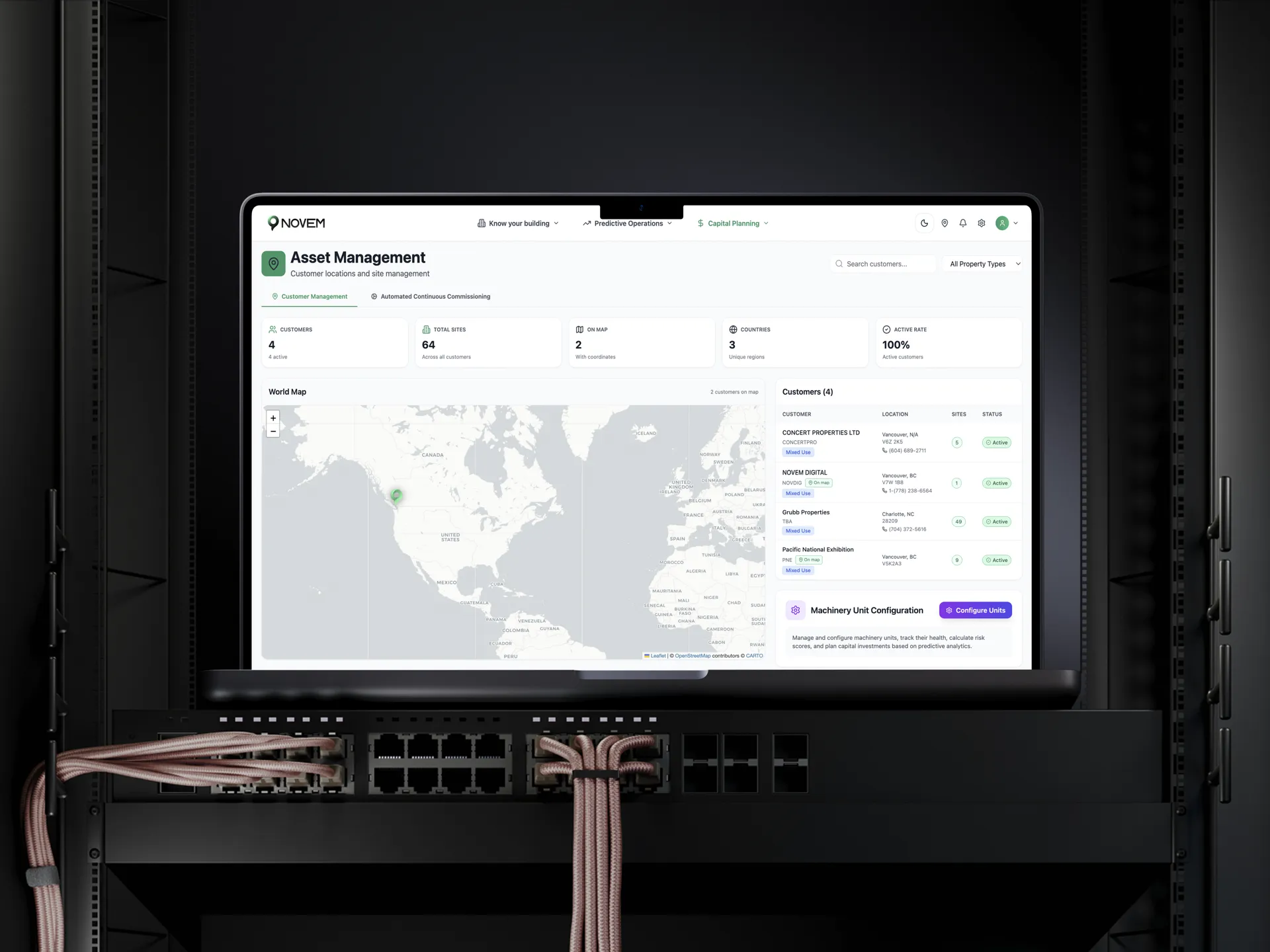
Your internal team needs visibility into what is happening across your platform — user activity, revenue metrics, system health, feature adoption. We build admin dashboards in React with real-time data pipelines that surface the metrics that matter. These are not generic analytics overlays; they are purpose-built interfaces designed around your operational workflows. Customer support sees user timelines and can impersonate accounts for debugging. Finance sees MRR, churn, and cohort analysis. Engineering sees error rates, API latency percentiles, and deployment history. Every dashboard loads in under two seconds and updates in real time via WebSocket connections.
API Infrastructure & Integrations
A SaaS platform that cannot integrate is a SaaS platform that cannot grow. We build APIs that are versioned, rate-limited, and documented with OpenAPI specifications that generate SDKs automatically. Our webhook delivery system handles retries with exponential backoff, dead letter queues, and delivery logs so your customers can debug integration issues themselves. We design GraphQL schemas for complex data relationships and REST endpoints for simple CRUD — choosing the right tool for each use case rather than forcing everything through one paradigm. OAuth2 and API key management are built in so third-party developers can integrate securely from day one.
Performance Engineering & DevOps
A SaaS product that is slow is a SaaS product that churns. We instrument every layer of the stack with distributed tracing, structured logging, and real-time alerting so you know about performance regressions before your users do. Our infrastructure-as-code approach using Docker and AWS means your staging environment is an exact replica of production — no more surprises at deploy time. We configure auto-scaling policies, CDN caching strategies, and database connection management that keep your p99 latency under 200ms even during traffic spikes. Load tests run in CI so every pull request is validated against realistic traffic patterns before it merges.
What to Expect
Engagements typically begin at €20,000 depending on scope and complexity.
Every project begins with a detailed scoping session to align on deliverables, timeline, and budget. We provide fixed-price proposals so there are no surprises.
Global Reach
Headquartered in Prishtina with distributed teams across Europe. We work with ambitious companies across:
Frequently Asked Questions
How long does a typical SaaS MVP take to build?
Can you work with our existing codebase?
What cloud provider do you recommend for SaaS applications?
How do you handle multi-tenancy?
Do you provide ongoing support after launch?
Ready to build
something great?
Whether it's a new product, a redesign, or a complete rebrand — we're here to make it happen.
Trusted by Novem Digital, Revide, Toyz AutoArt, Univerzal, Red & White, Livo, FitCommit & more